- posted: Jun. 17, 2025
For most people, stomach issues come and go like passing weather. But when those issues linger or become more intense, your doctor may recommend looking inside—literally. That’s where an upper endoscopy comes in. At North Jersey Gastroenterology, the Board Certified Main GI Group for Chilton Memorial Hospital, upper endoscopies are a common, precise tool we use to get a clearer picture of what’s happening beyond the surface.
What Is An Upper Endoscopy?
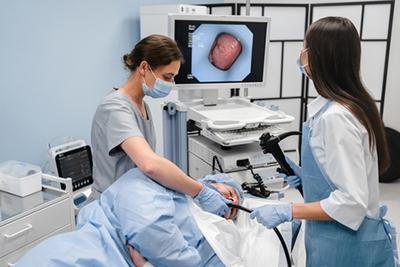
An upper endoscopy, or EGD (esophagogastroduodenoscopy), is a diagnostic procedure that allows a gastroenterologist to view the lining of your esophagus, stomach, and upper small intestine. A thin, flexible tube equipped with a camera is gently guided through the mouth and down the digestive tract. While the idea may sound intimidating, the process is typically done under sedation and takes less than 30 minutes.
It’s a bit like using a fiber-optic flashlight to inspect the wiring behind the walls. You can’t fix what you can’t see—and the endoscopy helps reveal the unseen.
Persistent Heartburn Or Acid Reflux
One of the most common reasons for an upper endoscopy is ongoing acid reflux or GERD. When over-the-counter medications don’t provide relief, or if symptoms include trouble swallowing or unexplained chest discomfort, your doctor may want to examine the esophagus for inflammation, narrowing, or even early signs of damage from acid exposure.
Unexplained Nausea, Vomiting, Or Stomach Pain
When the cause of upper abdominal pain, bloating, or persistent nausea isn’t obvious from lab work or imaging tests, an endoscopy can provide direct visual information. It allows us to check for gastritis, ulcers, or infections like H. pylori that can trigger symptoms and, over time, lead to more serious problems if left untreated.
Trouble Swallowing Or Food Getting Stuck
If you’ve ever had the sensation that food is not going down properly or feels “stuck,” an upper endoscopy can help. Structural problems like strictures or esophageal rings may be to blame, and the procedure not only identifies them but sometimes allows for immediate treatment during the same visit.
Anemia Or Unexplained Blood Loss
Chronic blood loss from the gastrointestinal tract is another reason for an endoscopy. Often, the signs are subtle—fatigue, low iron levels, or mild dizziness. The source might be an ulcer or a vascular malformation in the upper GI tract, and identifying the root cause is critical to correcting the deficiency.
Peace Of Mind With Precision
At North Jersey Gastroenterology, we don’t recommend an upper endoscopy unless we believe it will provide useful insights for your care. With experience serving patients in Wayne, Pompton Lakes, and Kinnelon, our team offers expertise grounded in thorough diagnostics and clear communication.
To schedule an appointment or learn more, call us at 973-633-1484. Your digestive health deserves more than guesswork—it deserves a clear look and a steady hand.
- posted: Jun. 17, 2025
For most people, stomach issues come and go like passing weather. But when those issues linger or become more intense, your doctor may recommend looking inside—literally. That’s where an upper endoscopy comes in. At North Jersey Gastroenterology, the Board Certified Main GI Group for Chilton Memorial Hospital, upper endoscopies are a common, precise tool we use to get a clearer picture of what’s happening beyond the surface.
What Is An Upper Endoscopy?
An upper endoscopy, or EGD (esophagogastroduodenoscopy), is a diagnostic procedure that allows a gastroenterologist to view the lining of your esophagus, stomach, and upper small intestine. A thin, flexible tube equipped with a camera is gently guided through the mouth and down the digestive tract. While the idea may sound intimidating, the process is typically done under sedation and takes less than 30 minutes.
It’s a bit like using a fiber-optic flashlight to inspect the wiring behind the walls. You can’t fix what you can’t see—and the endoscopy helps reveal the unseen.
Persistent Heartburn Or Acid Reflux
One of the most common reasons for an upper endoscopy is ongoing acid reflux or GERD. When over-the-counter medications don’t provide relief, or if symptoms include trouble swallowing or unexplained chest discomfort, your doctor may want to examine the esophagus for inflammation, narrowing, or even early signs of damage from acid exposure.
Unexplained Nausea, Vomiting, Or Stomach Pain
When the cause of upper abdominal pain, bloating, or persistent nausea isn’t obvious from lab work or imaging tests, an endoscopy can provide direct visual information. It allows us to check for gastritis, ulcers, or infections like H. pylori that can trigger symptoms and, over time, lead to more serious problems if left untreated.
Trouble Swallowing Or Food Getting Stuck
If you’ve ever had the sensation that food is not going down properly or feels “stuck,” an upper endoscopy can help. Structural problems like strictures or esophageal rings may be to blame, and the procedure not only identifies them but sometimes allows for immediate treatment during the same visit.
Anemia Or Unexplained Blood Loss
Chronic blood loss from the gastrointestinal tract is another reason for an endoscopy. Often, the signs are subtle—fatigue, low iron levels, or mild dizziness. The source might be an ulcer or a vascular malformation in the upper GI tract, and identifying the root cause is critical to correcting the deficiency.
Peace Of Mind With Precision
At North Jersey Gastroenterology, we don’t recommend an upper endoscopy unless we believe it will provide useful insights for your care. With experience serving patients in Wayne, Pompton Lakes, and Kinnelon, our team offers expertise grounded in thorough diagnostics and clear communication.
To schedule an appointment or learn more, call us at 973-633-1484. Your digestive health deserves more than guesswork—it deserves a clear look and a steady hand.