- posted: Mar. 13, 2026
Digestive symptoms can range from mild discomfort to persistent issues that interfere with daily life. When symptoms continue despite lifestyle changes or medication, further evaluation may be necessary to understand what is happening inside the digestive tract. An upper endoscopy is a diagnostic procedure that allows physicians to closely examine the upper portion of the digestive system. North Jersey Gastro in Wayne, NJ, provides upper endoscopy procedures to help identify the cause of ongoing gastrointestinal symptoms and guide appropriate treatment.
Understanding What an Upper Endoscopy Examines
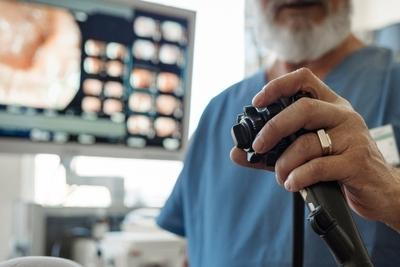
An upper endoscopy is a minimally invasive procedure that allows a specialist to view the esophagus, stomach, and the first portion of the small intestine. During the procedure, a thin, flexible tube with a small camera is gently guided through the mouth and into the digestive tract. This camera provides detailed images that help physicians detect inflammation, ulcers, abnormal tissue, or other conditions that may be affecting digestion.
The procedure is typically performed with sedation to help patients remain comfortable. Because the camera provides direct visualization of the digestive tract, an upper endoscopy often allows for a more accurate diagnosis than imaging studies alone.
Persistent Heartburn or Acid Reflux
Frequent heartburn is one of the most common symptoms that may lead a physician to recommend an upper endoscopy. While occasional acid reflux is common, persistent symptoms that occur several times per week may indicate gastroesophageal reflux disease. Over time, chronic acid exposure can irritate the lining of the esophagus and potentially lead to complications.
An upper endoscopy allows the physician to examine the esophageal lining for signs of inflammation, irritation, or other changes related to ongoing reflux. Early evaluation can help guide treatment and reduce the risk of long-term damage.
Difficulty Swallowing or Unexplained Pain
Trouble swallowing or a sensation that food is getting stuck in the throat or chest should never be ignored. These symptoms may be related to inflammation, narrowing of the esophagus, or other structural changes. An upper endoscopy helps physicians determine whether an obstruction, irritation, or other condition is contributing to the problem.
Unexplained pain in the upper abdomen may also require further evaluation. Conditions such as stomach ulcers, inflammation, or infections can cause ongoing discomfort that benefits from direct visualization during an endoscopic exam.
Ongoing Nausea, Vomiting, or Digestive Changes
Persistent nausea, vomiting, or unexplained digestive changes may indicate an underlying gastrointestinal condition. When these symptoms continue without a clear cause, an upper endoscopy can help identify issues such as inflammation, ulcers, or other abnormalities within the stomach or upper intestine.
By identifying the source of symptoms, physicians can recommend treatments that address the underlying problem rather than only managing discomfort.
When to Seek Evaluation
Digestive symptoms that persist or worsen over time should always be evaluated by a medical professional. Early diagnosis can help prevent complications and provide relief through targeted treatment.
North Jersey Gastro offers comprehensive gastrointestinal care, including upper endoscopy procedures designed to diagnose and treat a variety of digestive conditions. If you are experiencing persistent digestive symptoms, contact North Jersey Gastro in Wayne, NJ, at (973) 633-1484 to schedule an appointment.
- posted: Mar. 13, 2026
Digestive symptoms can range from mild discomfort to persistent issues that interfere with daily life. When symptoms continue despite lifestyle changes or medication, further evaluation may be necessary to understand what is happening inside the digestive tract. An upper endoscopy is a diagnostic procedure that allows physicians to closely examine the upper portion of the digestive system. North Jersey Gastro in Wayne, NJ, provides upper endoscopy procedures to help identify the cause of ongoing gastrointestinal symptoms and guide appropriate treatment.
Understanding What an Upper Endoscopy Examines
An upper endoscopy is a minimally invasive procedure that allows a specialist to view the esophagus, stomach, and the first portion of the small intestine. During the procedure, a thin, flexible tube with a small camera is gently guided through the mouth and into the digestive tract. This camera provides detailed images that help physicians detect inflammation, ulcers, abnormal tissue, or other conditions that may be affecting digestion.
The procedure is typically performed with sedation to help patients remain comfortable. Because the camera provides direct visualization of the digestive tract, an upper endoscopy often allows for a more accurate diagnosis than imaging studies alone.
Persistent Heartburn or Acid Reflux
Frequent heartburn is one of the most common symptoms that may lead a physician to recommend an upper endoscopy. While occasional acid reflux is common, persistent symptoms that occur several times per week may indicate gastroesophageal reflux disease. Over time, chronic acid exposure can irritate the lining of the esophagus and potentially lead to complications.
An upper endoscopy allows the physician to examine the esophageal lining for signs of inflammation, irritation, or other changes related to ongoing reflux. Early evaluation can help guide treatment and reduce the risk of long-term damage.
Difficulty Swallowing or Unexplained Pain
Trouble swallowing or a sensation that food is getting stuck in the throat or chest should never be ignored. These symptoms may be related to inflammation, narrowing of the esophagus, or other structural changes. An upper endoscopy helps physicians determine whether an obstruction, irritation, or other condition is contributing to the problem.
Unexplained pain in the upper abdomen may also require further evaluation. Conditions such as stomach ulcers, inflammation, or infections can cause ongoing discomfort that benefits from direct visualization during an endoscopic exam.
Ongoing Nausea, Vomiting, or Digestive Changes
Persistent nausea, vomiting, or unexplained digestive changes may indicate an underlying gastrointestinal condition. When these symptoms continue without a clear cause, an upper endoscopy can help identify issues such as inflammation, ulcers, or other abnormalities within the stomach or upper intestine.
By identifying the source of symptoms, physicians can recommend treatments that address the underlying problem rather than only managing discomfort.
When to Seek Evaluation
Digestive symptoms that persist or worsen over time should always be evaluated by a medical professional. Early diagnosis can help prevent complications and provide relief through targeted treatment.
North Jersey Gastro offers comprehensive gastrointestinal care, including upper endoscopy procedures designed to diagnose and treat a variety of digestive conditions. If you are experiencing persistent digestive symptoms, contact North Jersey Gastro in Wayne, NJ, at (973) 633-1484 to schedule an appointment.